Research Scientist and Program Leader: Kevin Hynes
I currently serve as the New York State Department of Environmental Conservation’s Wildlife Health Section Head (Research Scientist 3) in the Bureau of Fish and Wildlife Health. I have been working with wildlife disease and wildlife forensics for over 30 years.
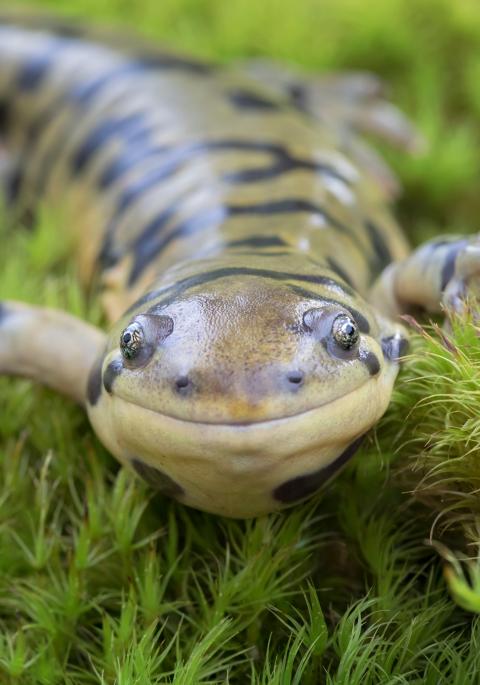
I started with the DEC Wildlife Pathology Unit as an intern while an undergrad at SUNY College of Environmental Science and Forestry, concentrating in wildlife biology studies with a “pre-vet” focus. The DEC internship was hopefully going to bolster my future veterinary school applications. That 3-week internship in the summer of 1993 turned into employment for the remainder of the summer, over Christmas break, the following summer, and continued after graduation. The work initially involved a lot of hands-on wildlife rehabilitation and disease and contaminant field investigations….all satisfying my wildlife veterinarian desires. A short while later, I was trained in wildlife necropsy techniques and disease diagnoses, and it was love at first sight. Thousands of necropsies later, on specimens ranging in size from salamander larvae (pretty small) to moose (pretty big) and in various stages of postmortem condition, I finally feel reasonably confident in my ability to reach a diagnosis for most common NY wildlife species.
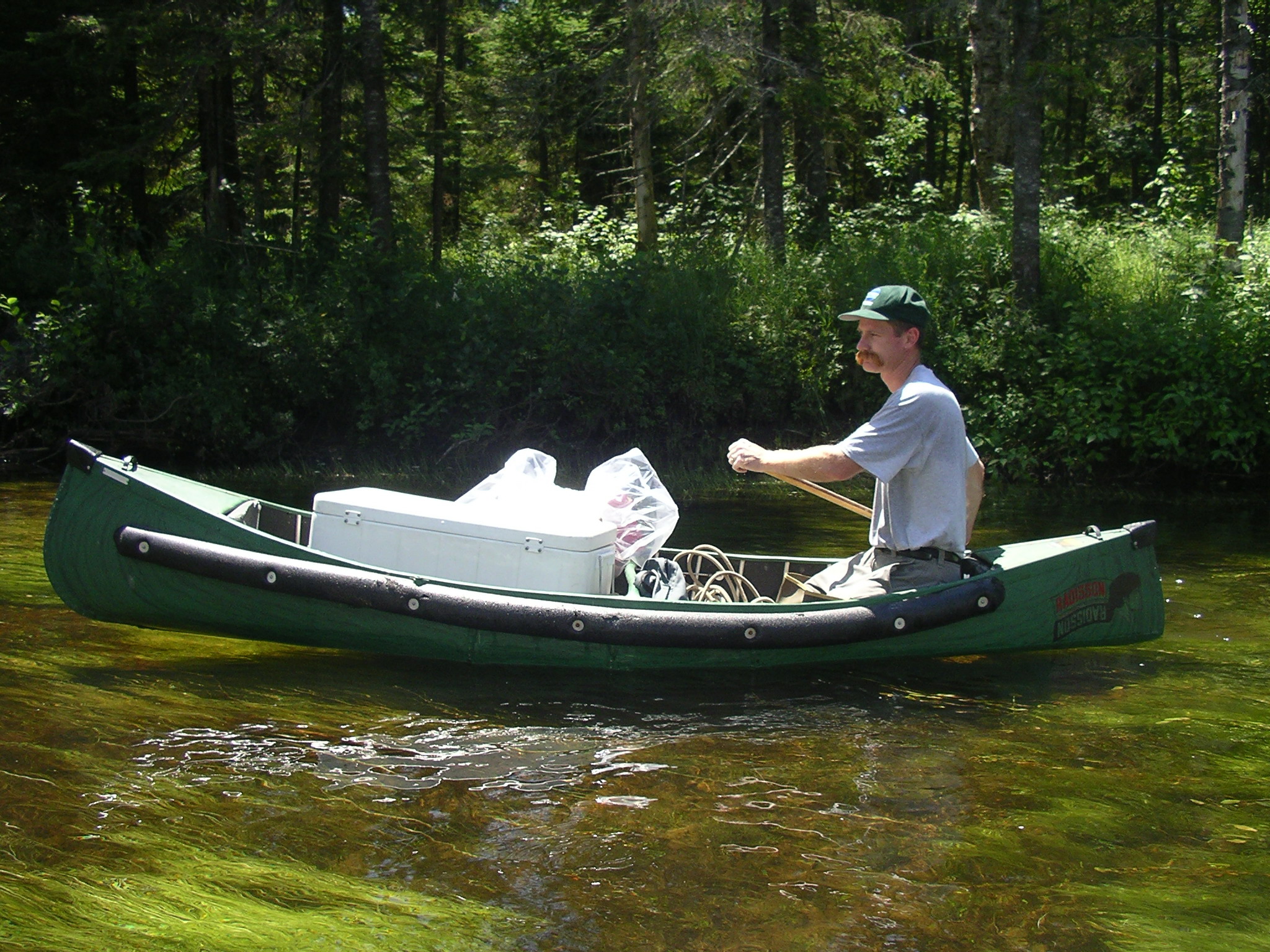
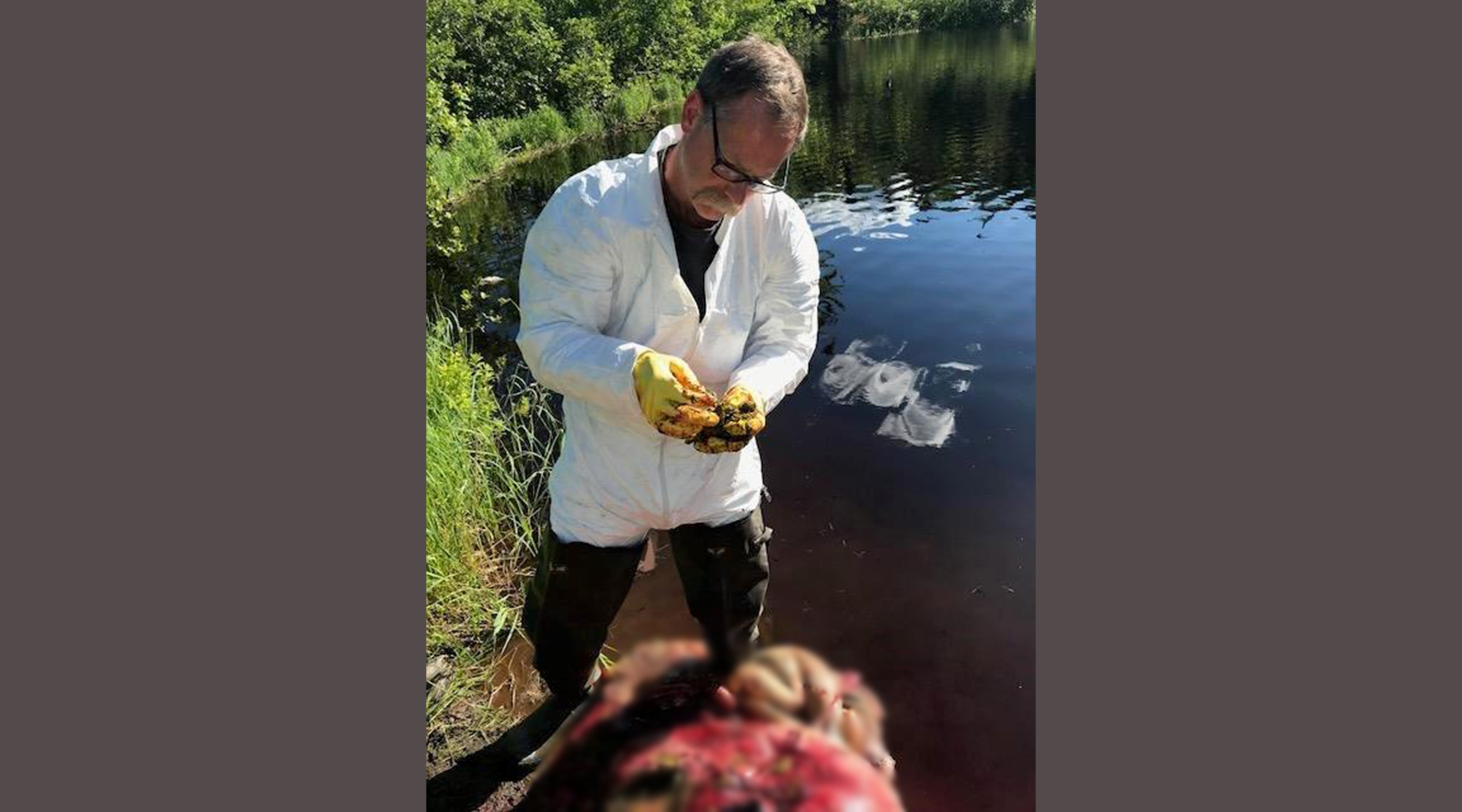
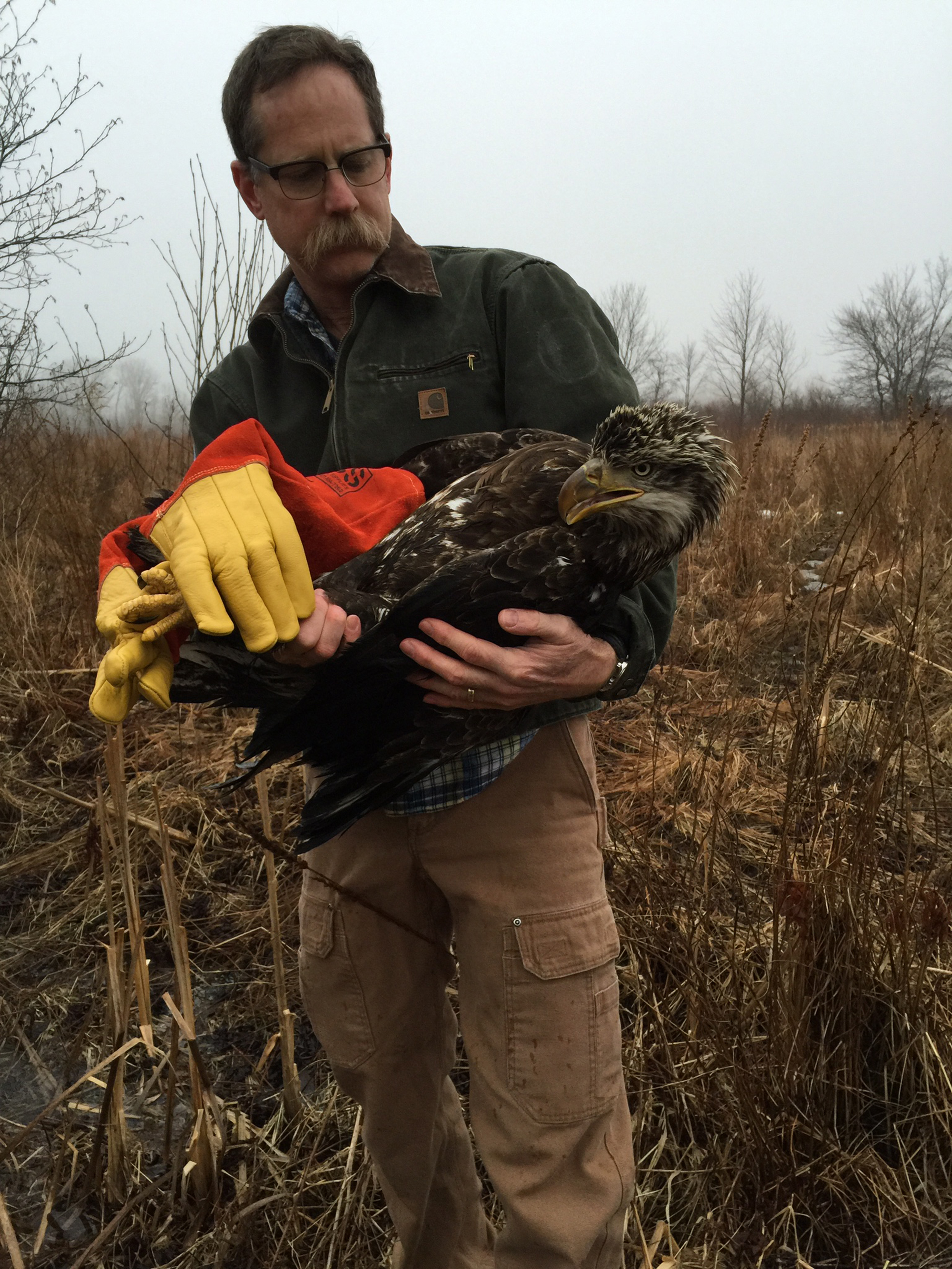
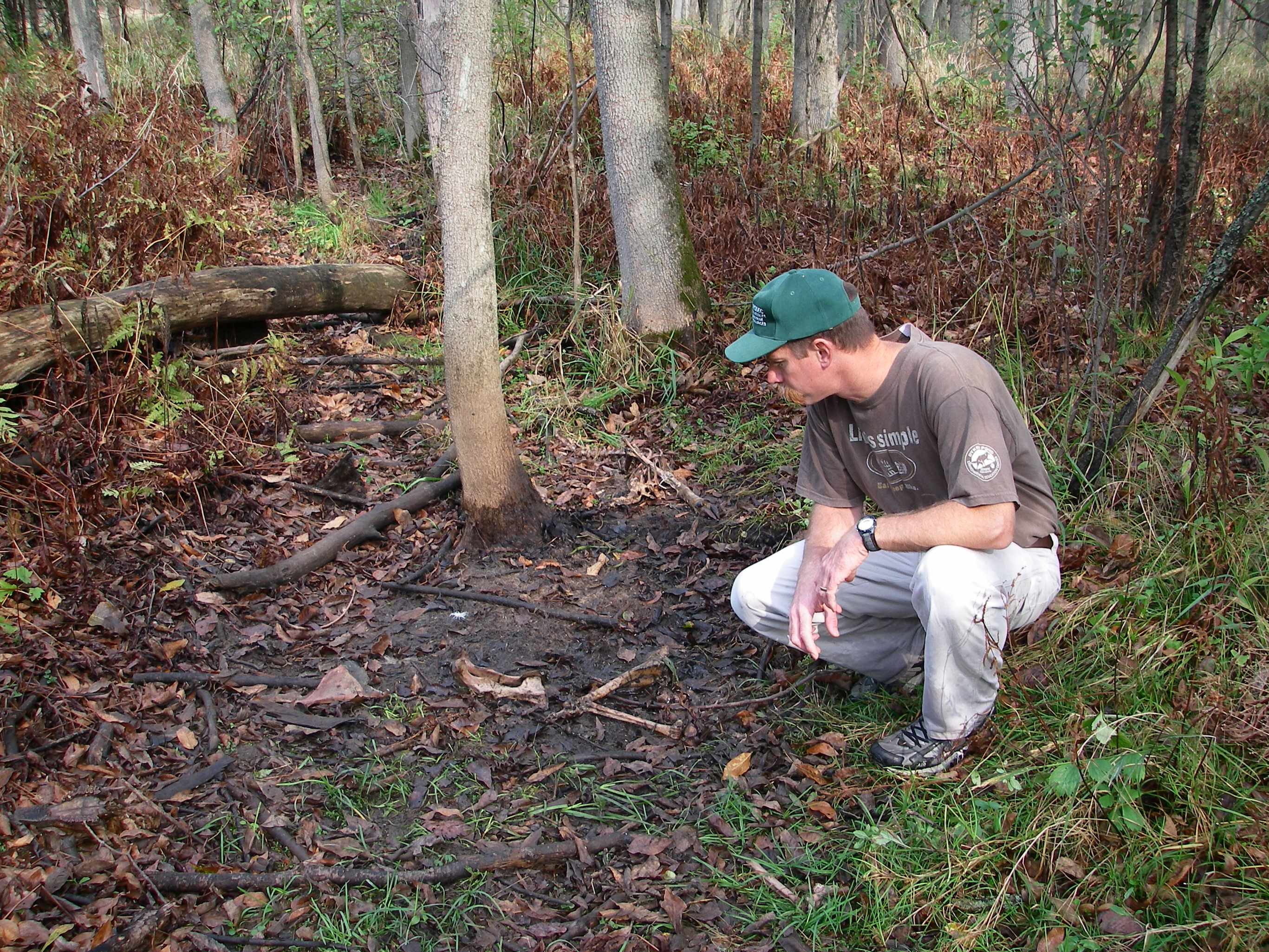
Click on images to view them larger
In my current role, I no longer perform routine necropsies, but staff still call me down to the necropsy rooms to consult on challenging cases or if they see something they know I would be interested in. I still perform most forensic necropsies, which are primarily related to poaching, for our Environmental Conservation Officers and other law enforcement agencies.
These days, a typical day for me might look like this:
5:15 am: Alarm, some light exercise as part of my effort to get fat slower.
5:40 am: Shower, dress, check calendar to determine clothing choice, feed my cat, make lunch.
6:50 am: Drive to work, stop at Stewart’s in Glenmont to get coffee.
7:30 am: Arrive at office, check emails, scan several listservs for reports of disease worldwide that may be relevant to wildlife or human health in NY. In addition to routine administration emails, some more interesting requests are:
- Photos and descriptions of animals acting or looking sick, asking for guidance on what might be wrong, and if the animal should be euthanized and submitted for necropsy.
- Photos from hunters of deer lesions or suspected parasites, and asking if the deer is safe to eat.
- Trail cam photos with a request to identify the animal or what disease it might have.
- What animal made this poop?
- Are these bones from an animal or a human?
- Questions from ECOs about our forensic testing capabilities and case-specific recommendations.

9:30 am: Attend meetings, some in person, most virtual. Topics may include:
- Weekly meeting with DEC Wildlife Health Unit staff and our Cornell Wildlife Health Lab partners for project updates, interesting findings, potential disease threats on the horizon, technical and administrative issues and solutions, and get reminders about tasks I haven’t completed yet.
- Meet with the Department of Health and/or the Division of Agriculture and Markets staff to discuss specific disease occurrences or threats and to plan how to minimize or prevent exposure to humans, domestic animals, or wildlife. This is the One Health process in action.
- Meet with Office of General Services staff and DEC Design and Construction staff about the project to replace our aging incinerator with an alkaline hydrolysis unit for infectious waste disposal. The design phase is complete, and construction is expected to start this Spring (2026).
- Meet with other DEC lab directors and managers to move forward on designing and securing support for the construction of a new consolidated DEC One Health Laboratory and Training Center, which will replace 5 aged lab facilities and combine 10 DEC laboratories into one modern lab building with shared areas, an auditorium, and training spaces.
12:00 pm: Lunch at my desk. I eat the same thing every day: a boiled egg, a handful of walnuts, a banana, and yogurt with blueberries and fresh pineapple.
1:00 pm: Usually still working on email responses, meetings, or working on SOPs, other documents, or training materials with Dr. Schuler and/or Dr. Bloodgood at the Cornell Wildlife Health Lab.
3:00 pm: Building and grounds maintenance. Work with our building maintenance staff to identify and prioritize work within their scope (e.g., cleaning, painting, mowing). Troubleshoot HVAC or electric issues, roof leaks, and incinerator failures as they occur and coordinate with Operations staff or contractors to make repairs.

5:00 to 6:00 pm: Drive home
6:30 pm: Feed cat. Feed myself. I like food, so I usually cook from scratch every night.
7:30 pm: I should exercise, but I don’t. Sometimes yard and garden stuff in the summer, tinker with cars, home maintenance, and woodworking/craft projects, watch a movie or stand-up comedy. I love American Pickers and Antiques Roadshow.
11:00 pm -12:00 am: Fall asleep while reading in bed.
5:15 am: Repeat.