Research Scientist: Therese McNamee
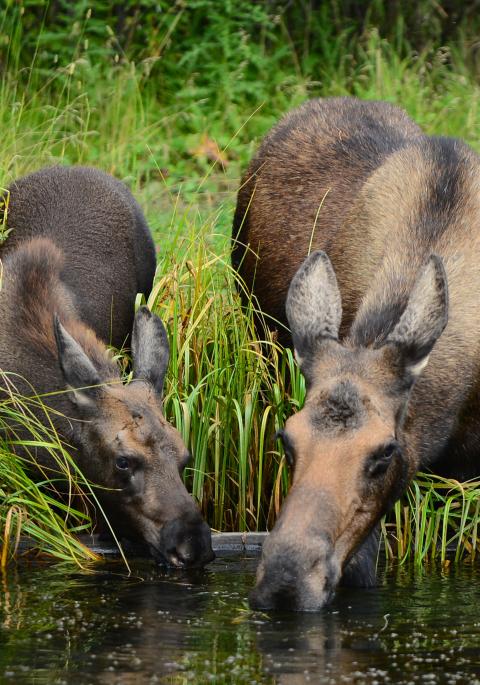
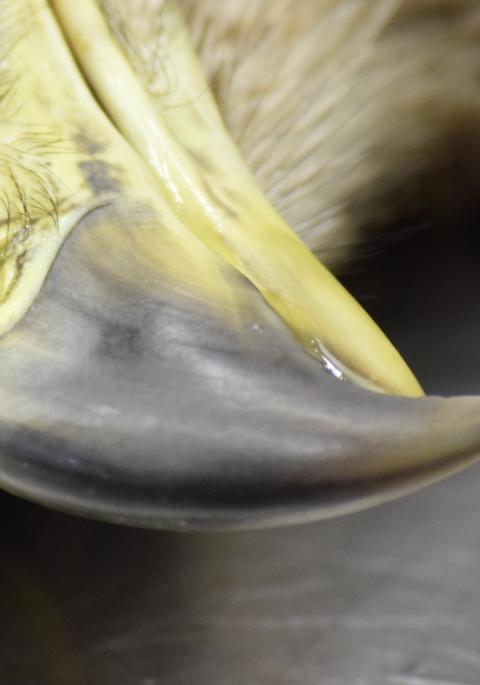
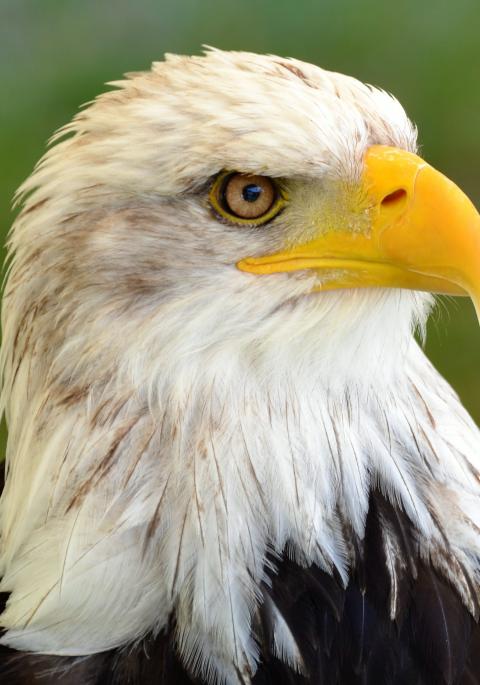
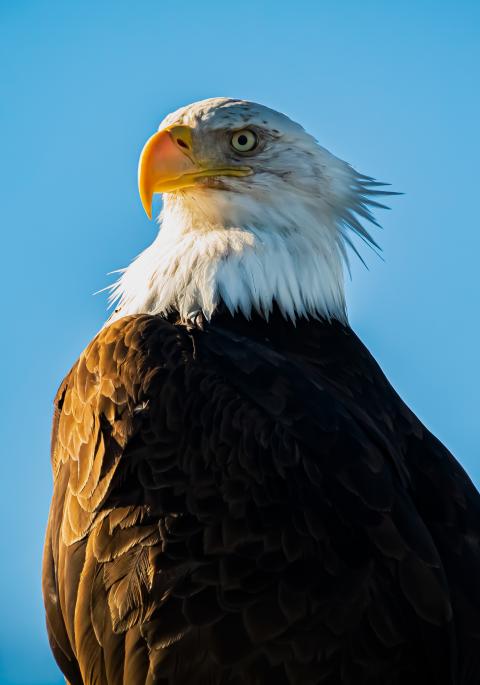
As a Research Scientist in the Wildlife Health Unit, my job is to work on wildlife disease surveillance, prevention, and response with a focus on pathology. One of my main responsibilities is to perform postmortem examinations on free-ranging wildlife from across the state of New York. The animals range from piping plover chicks from Long Island beaches to moose from the Adirondack Mountains. One species I examine often is bald eagles because every eagle found dead is submitted to the Wildlife Health Program for necropsy. I also occasionally work on forensic cases, typically wildlife that have been shot illegally.
In addition to necropsies, I might spend my days meeting with our working group on developing our new wildlife health database, supporting our program leader with administrative work like grant reports, or presenting about wildlife diseases to a class like the Forest Ranger Academy. Once in a while, I get to go out in the field for various activities, usually to perform a field necropsy on an animal that is too large to move or too difficult to extract from its location. I never thought I would be hiking down a mountain with a moose head in a pack basket to evaluate for brainworm back at the lab!

Every day is different, which is something I really enjoy about my work. I cannot predict what a day will look like or what will come through the door for me to examine, but a day might look like this:
6:30 am: Alarm goes off; I either get up or snooze for another few minutes before my dog insists that I feed him. I make coffee and sip it as I start my morning routine, which revolves around morning chores for our dog, cats (currently 8 in our house, including a litter of kittens we are fostering), and chickens.
7:30 am: Drive to work. My commute is about 30 minutes. I take the slightly longer route so I can pass the adorable Highland cows nearby and wetlands where I can often spot some fun wildlife.
8:00 am: Arrive at work, check my email as I finish my coffee. This often includes checking ProMed for recent infectious disease news from around the world, reviewing test results from my cases, and providing my opinion on questions from the public about wildlife (usually a photo of an animal with a request to identify the species or what disease it might have).
9:00 am: Morning meeting with my colleague to go over our game plan for the day depending on what projects we are working on and what we have on our specimen inventory list.
9:15-10:00 am: Finish up notes from cases from the day before, update case diagnoses in our database, send reports, and/or get samples together to send out for ancillary diagnostic testing at the AHDC.
10:00 am: Attend a weekly lab meeting with the Cornell Wildlife Health Lab to touch base about collaborative projects, cases, and learn about program, lab, and research updates.
11:00 am: Head downstairs to the necropsy room and set up for the day. Pull a small specimen from our cooler (maybe something like an American Crow submitted as a West Nile Virus suspect) and put on my PPE for the necropsy, which includes a gown over scrubs, rubber boots, an N95 mask, nitrile gloves (doubled), and a face shield. Then I perform the necropsy, examining the specimen thoroughly and collecting samples for diagnostic and surveillance testing (brain tissue for a WNV test in this case).

12:00 pm: Eat lunch, usually at my desk while I check my email or type up necropsy reports.
1:00 pm: Go back downstairs to the lab and work on more necropsies. It really depends on the specific specimens for how many I will end up looking at in a day; the larger the animal or the more complex the case (especially forensic cases), the longer a necropsy will take. Some recent necropsies have included a neurologic fisher with bromethalin (rodenticide) poisoning, a gray fox with canine distemper, a red fox with sarcoptic mange, an emaciated wild turkey with lymphoproliferative disease virus, and an eagle with chronic aspergillosis.
3:30-3:45 pm: Wrap up the necropsy that I’m working on, label samples and store them in the freezer, clean up, and disinfect the table.
4:00-4:30 pm: Leave the lab and either head home to work on some house projects or go to a yoga or pottery class, depending on the day.