Cornell University College of Veterinary Medicine
Cornell Wildlife Health Lab Logo ×

Main navigation

  • Home
  • About
  • Partners
  • News
  • Topics
  • Research
  • Resources
  • Tools
  • Contact
  • Login

Main navigation

  • Home
  • About
  • Partners
  • News
  • Topics
  • Research
  • Resources
  • Tools
  • Contact
  • Login
Home
wood frog in leaves

Threats on the Horizon

With growing human populations and changing land use worldwide, it is increasingly important to watch for emerging and re-emerging pathogens in wildlife. Such situational awareness of disease threats is a critical goal for Wildlife Health Program (WHP) staff in New York State. Professionals at the WHP vigilantly scan the landscape for the first signs of disease and maintain a readiness to identify and respond to newly arising threats. When disease is quiet, we proactively plan for outbreak response, ensuring agencies have the necessary equipment and guidance to quickly and efficiently handle events. Our comprehensive network of communication enables us to regularly interact with wildlife health professionals worldwide, ensuring we are well-prepared to address emerging disease events.

Our work focuses on the One Health approach, which recognizes that the health of wildlife, humans, and domestic animals is interconnected. A crucial component of threat readiness to achieve One Health lies in our ability to effectively pinpoint a particular pathogen, parasite, or toxin in a wild species. Not all existing diagnostic tools are useful for detecting diseases in wildlife species, and the rigorous scientific development of new diagnostic assays takes time. For this reason, we continually seek the most effective methods to achieve our diagnostic objectives and increase our ability to detect new threats. 
Developing Diagnostics

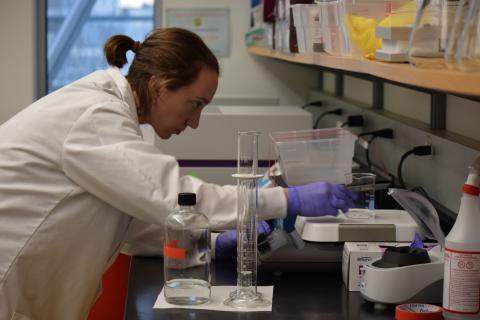
Dr. Kaganer preparing reagents for diagnostic testing

Protocols, Pipelines, and Potential When Evaluating New Diagnostic Tools

Real-time quaking-induced conversion (RT-QuIC) is a promising research tool for rapid detection of the prions causing CWD.

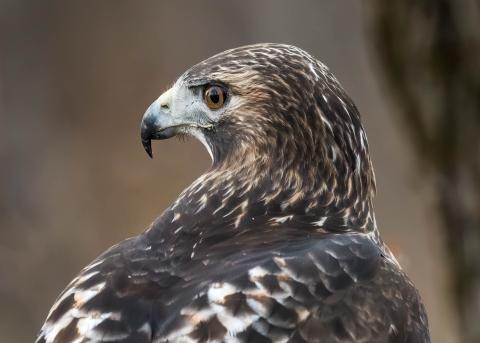
Red-tailed hawk close up

Raptors and Rodenticide Biomarkers

Working to develop a biomarker to detect the clinically toxic effects of anticoagulant rodenticides in living birds.

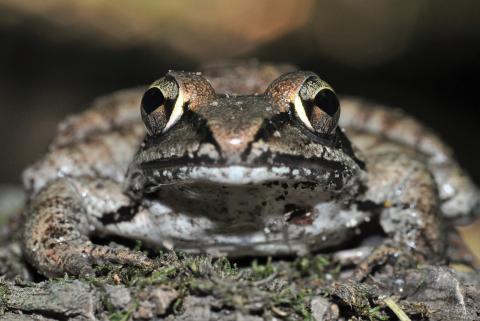
Close up wood frog

Ranavirus Environmental RNA (eRNA)

Finding signatures of active virus infection using environmental samples.

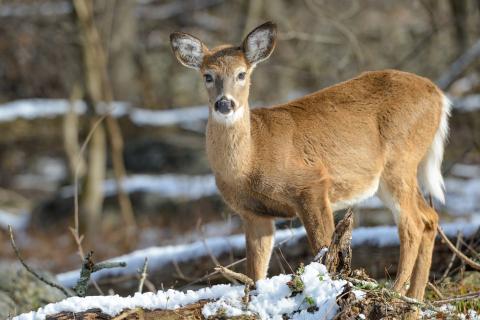
White-tailed deer in woods with snowy background

Epizootic Hemorrhagic Disease

Conducting surveillance for the EHD virus in New York and surrounding states, with the goal of characterizing the prevalence of the virus, the degree of developing immunity among white-tailed deer, and the spatiotemporal dynamics of serotype distribution.

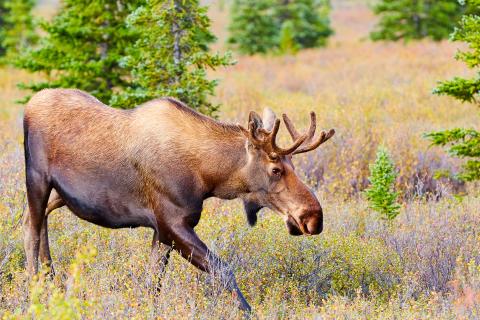
Moose walking across field

Moose Population Health

Assessing moose population health in New York State with sampling and diagnostic testing to understand reproductive status, infectious disease exposure, parasite load, and causes of death.

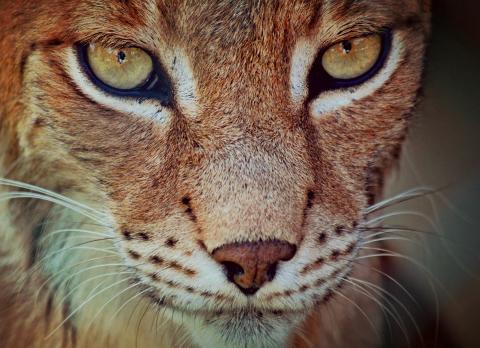
Bobcat face close up

Cytauxzoon

Is climate change bringing disease-carrying vectors closer to home? A real-time PCR test is now available.

Unseen Threats

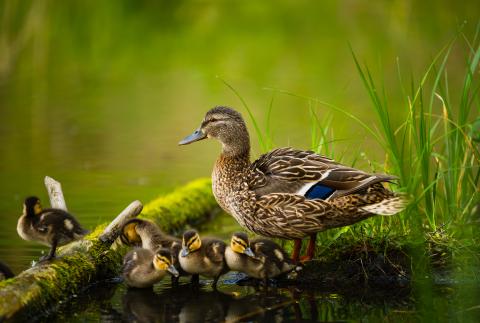
Female duck with ducklings at pond edge

Waterfowl Contaminant Study

Measuring chemical contaminant loads in waterfowl to assess the health of waterfowl and the potential impact on hunters who consume them.

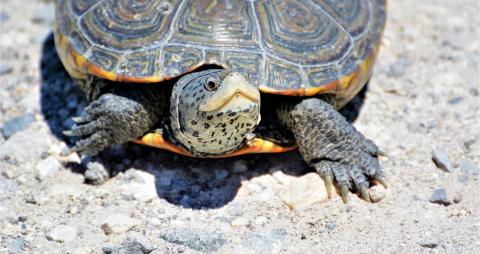
Diamond back terrapin looking up on rocky sand beach

Herpesvirus in Diamondback terrapins

Investigating herpesvirus in diamondback terrapins.

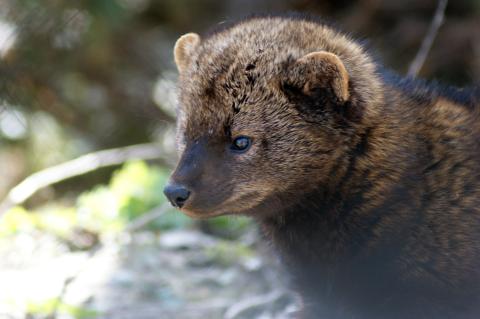
close up of fisher in the wild

Landscape Drivers of Rodenticide Exposure in Northeast Fishers

Digging into the frequency and impact of rodenticides on fishers.

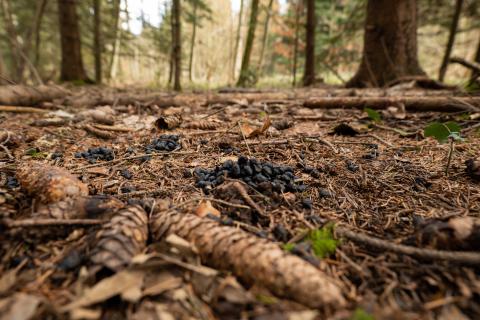
deer droppings on the forest floor

Determinants of CWD Found in Fecal Samples

Understanding the factors affecting CWD infections in white-tailed deer.

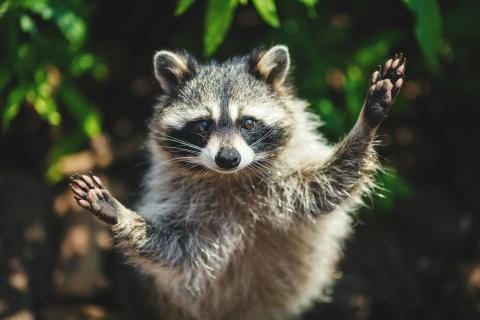
raccoon with front paws up

Investigating Parvovirus

Using analytics from surveys to create a more uniform protocol for rehabilitators in NYS to improve wildlife health and biosecurity

Topics

Chronic Wasting Disease
eDNA
Population Impacts
Surveillance: Tools & Data
Wildlife Health in Practice
Zoonotic Risks

Support the CWHL

Your gift will protect and improve the health and sustainability of free-ranging wildlife populations. Thank you for partnering with us on our mission.

Support Wildlife Health

Connect With Us

Animal Health Diagnostic Center
240 Farrier Road
Ithaca, NY 14850

cwhl@cornell.edu

607-253-3900

Instagram icon

Twitter icon

Wildlife at Cornell

Cornell K. Lisa Yang Center for Wildlife Health

Janet L. Swanson Wildlife Hospital

Your Account

  • Log in

© 2025 Cornell University. All rights reserved.