Fur School Workshop
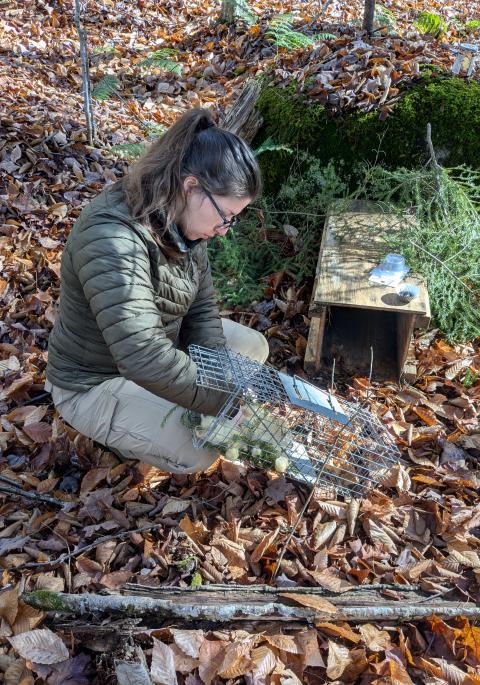
In September, Jenny attended the Northeast Furbearer Management Workshop (Fur School) to lecture about furbearer diseases and give a beaver necropsy demonstration.
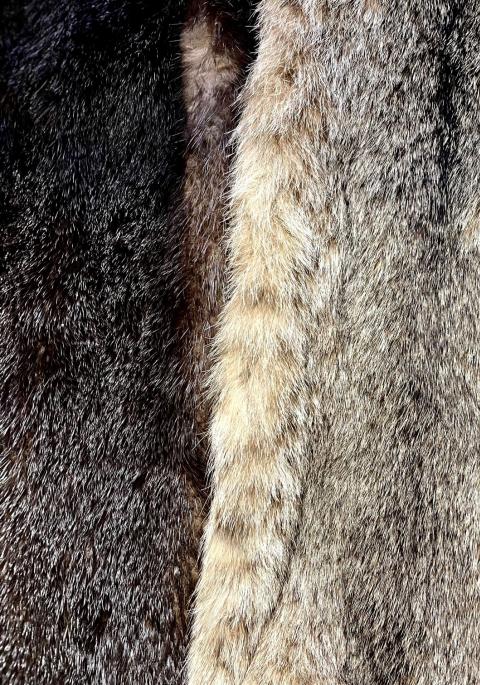
NYSDEC Fur School workshops are taught by furbearer biologists and experienced trappers to provide students with practical experience in trapper education and management. The course includes how to trap responsibly and selectively using Best Management Practices, discussion of the value of trapping to conservation research and society at large, and strategies to communicate information about trapping with the public and media. It also provides hands-on experience handling and setting traps, identifying trapping locations, and handling pelts to produce marketable furs.
Understanding furbearer diseases and recognizing normal versus abnormal tissues are important skills that help trappers identify wildlife health concerns that may warrant further investigation, identify potential human health risks, and minimize exposure to zoonotic pathogens when handling harvested animals. At the conclusion of the course, students receive their NY Trapper Education Certificate.
Under the scope...
Chytrid in an American Toad
In August, the Wildlife Health Unit received an adult female American Toad from a wildlife rehabilitator. In the days leading up to death, this specimen had a reddened abdomen, swollen and reddened toepads on all four limbs, emaciation, and small patches of skin that were whitened. Necropsy also showed reddened lungs.
Histology showed that the epidermis was thickened and covered by increased amounts of keratin and contained numerous nests of fungal sporangia consistent with Batrachochyrtrum dendrobatids (Bd). In the most heavily infected areas, some epithelial cells were necrotic and large numbers of bacteria were present in the lesions. The damage to the skin caused by the fungi, including the thickening and hyperkeratosis, was sufficient to have compromised respiration and the environmental barrier provided by the skin. This, along with the secondary bacterial infection, contributed to the toad’s death.
Chytridiomycosis is one of the leading causes of death in wild amphibians globally and can be easily spread between individuals through human activity.
Program happenings in the field and in the lab
Latest Presentations
Northeast Partners in Amphibian and Reptile Conservation Annual Conference
- Melissa Fadden, " Eastern Box Turtle Pathogen Dynamics in a Pre-Repatriation Cohort"
Training Events & Outreach
- Fur School with Jenny Bloodgood
- Skype A Scientist with Alyssa Kaganer
More News
Research Projects
Articles
Disease stats
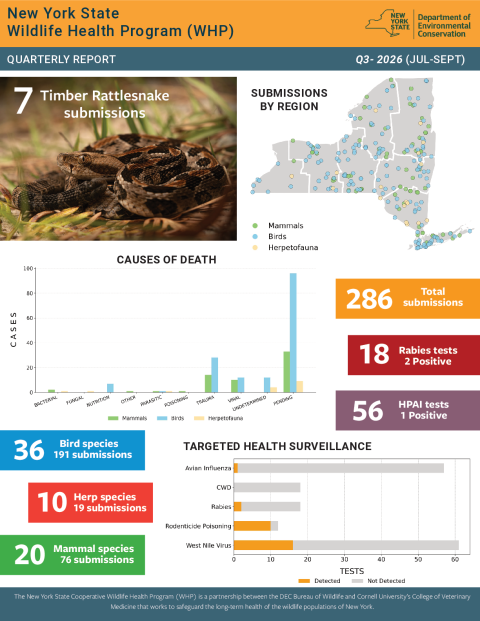
286 total submissions
18 Rabies tests - 2 positive
56 HPAI tests - 1 positive
36 Bird species across 191 submissions
10 Herp species across 19 submissions, *7 Timber rattlesnakes (tissue harvest)
20 Mammal species across 76 submissions